Herbal Promises, Empty Wallets: The Truth About Over-the-Counter ED Supplements
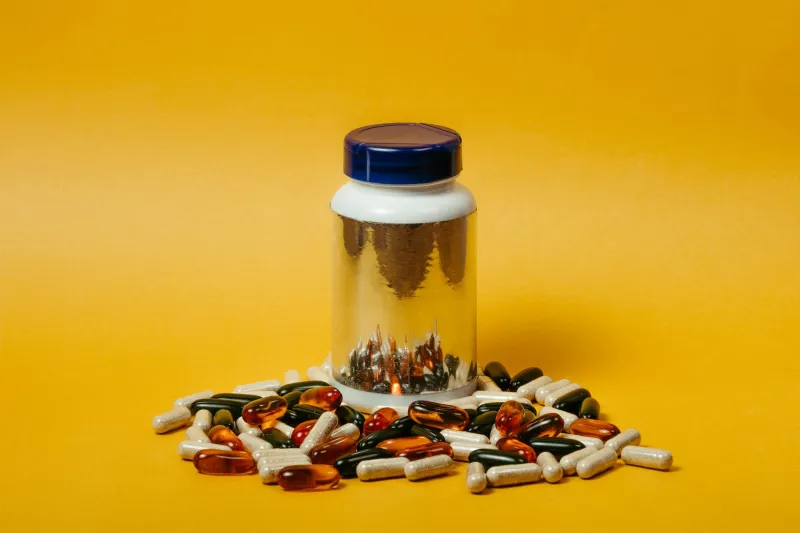
Walk through the supplement aisle of any major American grocery store or pharmacy, and you will encounter an impressive array of products promising to restore male sexual vitality. Boldly labeled bottles of horny goat weed, maca root, L-arginine blends, and "proprietary male enhancement complexes" compete for shelf space alongside legitimate vitamins and minerals. The packaging is confident. The claims are sweeping. The price tags are, in many cases, surprisingly steep.
What these products rarely offer, however, is reliable evidence that they work.
For men experiencing erectile dysfunction — a condition affecting an estimated 30 million Americans — the appeal of a discreet, over-the-counter solution is entirely understandable. The desire to avoid a doctor's visit, sidestep a potentially awkward conversation, or simply try something that feels more "natural" before committing to prescription medication is a deeply human impulse. The supplement industry has spent decades engineering its marketing to exploit precisely that impulse.
Understanding what separates a well-marketed herbal product from a clinically validated treatment is not just a matter of saving money. It is, in many cases, a matter of health.
Why the Supplement Industry Plays by Different Rules
The foundational issue with most OTC ED supplements is regulatory, and it begins with a 1994 federal law called the Dietary Supplement Health and Education Act (DSHEA). Under this legislation, dietary supplements — including the vast majority of herbal ED products sold in American stores — are not required to demonstrate safety or efficacy before reaching store shelves. The burden of proof is effectively reversed: the FDA must prove a product is harmful after the fact, rather than manufacturers proving it is safe and effective beforehand.
This stands in stark contrast to the regulatory pathway required for pharmaceutical medications. Drugs like sildenafil (the active compound in Viagra) and tadalafil (found in Cialis) underwent extensive clinical trials involving thousands of participants before receiving FDA approval. Their mechanisms of action are well understood, their dosing is standardized, and their side effect profiles are documented with precision.
Supplements face none of these requirements. A company can legally market a capsule containing a blend of plant extracts, assert that it "supports healthy male performance," and place it on a national retailer's shelf without submitting a single clinical study to any regulatory body.
What the Science Actually Says About Popular Herbal Remedies
This does not mean that every plant compound is without merit. Some ingredients that appear in OTC ED products have been the subject of legitimate scientific inquiry. The conclusions, however, are far more modest than the marketing suggests.
L-arginine, an amino acid that the body uses to produce nitric oxide — a compound involved in vascular function and erections — has shown some benefit in studies, but primarily at doses far higher than those found in typical supplement blends, and most effectively when combined with other compounds. Standalone L-arginine supplements at standard doses have not demonstrated consistent clinical benefit for erectile function.
Ginseng, particularly Korean red ginseng, has been studied more rigorously than most herbal ED ingredients, and some small trials have shown modest improvements in erectile function scores. However, study quality has generally been limited, sample sizes small, and results inconsistent across trials. The American Urological Association does not currently recommend ginseng as a treatment for ED.
Horny goat weed (epimedium) contains a compound called icariin that has demonstrated activity in laboratory settings, but human clinical data supporting its use for erectile dysfunction remains extremely limited.
Yohimbine, derived from the bark of an African tree, is perhaps the most studied herbal compound in this category and has shown some evidence of benefit — but it also carries a meaningful side effect profile, including elevated blood pressure, anxiety, and heart palpitations, making it unsuitable for many men without medical supervision.
The broader pattern is consistent: where some biological plausibility exists, the human evidence is weak, inconsistent, or confined to studies too small to draw firm conclusions.
The Hidden Dangers: Contamination and Undisclosed Ingredients
Beyond the question of efficacy, there is a more alarming concern that receives far less attention in supplement marketing: product safety and integrity.
The FDA has, over the years, issued hundreds of warnings and product recalls for male enhancement supplements found to contain undisclosed pharmaceutical compounds — most frequently sildenafil itself, or closely related analogs. In other words, some supplements that market themselves as "all-natural" alternatives to prescription ED drugs actually contain the very drugs they claim to replace, without disclosing this on the label.
This creates a serious and underappreciated risk. A man who believes he is taking an herbal supplement may unknowingly be ingesting an active pharmaceutical ingredient at an uncontrolled dose, with no knowledge of potential interactions with other medications he takes. For men on nitrates — commonly prescribed for heart conditions — this interaction can cause a dangerous and potentially life-threatening drop in blood pressure.
The lack of manufacturing oversight compounds this problem. Unlike pharmaceutical manufacturers, supplement producers are not required to demonstrate that what is on the label is what is in the bottle. Third-party testing organizations such as USP and NSF International offer voluntary certification programs, but the majority of male enhancement supplements on the market carry no such verification.
Why Men Continue to Choose Supplements Despite the Evidence
Understanding the supplement market's persistence requires acknowledging the real and legitimate barriers that drive men toward it. Stigma around erectile dysfunction remains significant in American culture. Many men find it easier to quietly purchase a supplement at a self-checkout kiosk than to discuss sexual health with a physician. Cost and insurance coverage present additional obstacles. And the language of "natural" solutions carries genuine emotional appeal in a cultural moment when skepticism toward pharmaceutical companies is high.
The supplement industry is exceptionally skilled at speaking to these concerns. Its advertising frequently positions herbal products as the wise, independent alternative to a medical establishment that is either indifferent to men's health or financially motivated to over-prescribe. This narrative is compelling, even when it is misleading.
A More Informed Path Forward
For men genuinely seeking solutions for erectile dysfunction, the evidence supports a clear hierarchy of options.
Phosphodiesterase type 5 (PDE5) inhibitors — including sildenafil and tadalafil — remain the most rigorously studied, most consistently effective, and most widely recommended first-line treatments for ED. Their safety and efficacy have been established across decades of clinical use and post-market surveillance. Generic versions of both compounds are now widely available in the United States at prices that have decreased substantially since patent expiration, making them far more accessible than they once were.
For men who have concerns about prescription medications, or who have health conditions that complicate treatment, the appropriate resource is a qualified healthcare provider — not a supplement label. Telemedicine has made these conversations considerably more accessible, allowing men to consult with licensed clinicians from the privacy of their own homes.
If lifestyle factors such as diet, exercise, weight management, or alcohol consumption are contributing to erectile difficulties, addressing those underlying drivers — ideally in consultation with a physician — offers more sustainable benefit than any supplement currently on the market.
The Bottom Line
The supplement industry's erectile dysfunction category is built on a foundation of regulatory gaps, aspirational marketing, and the exploitation of men's reluctance to seek medical care. The products it sells are not inherently fraudulent in every case, but the gap between what they promise and what the evidence supports is, in most instances, vast.
Spending money on unproven supplements is not simply a financial loss. It is time spent not pursuing options that actually work — and, in some cases, it represents an undisclosed health risk. Men deserve better information than supplement packaging typically provides, and they deserve access to treatments whose efficacy has been earned through rigorous scientific scrutiny rather than through clever advertising.
At VitalEdge Health, our commitment is to help men navigate exactly that distinction — so that the choices they make about their health are grounded in evidence, not marketing.