Breathing Problems at Night May Be Driving Your ED During the Day
For many men, a prescription for an ED medication feels like the logical endpoint of a frustrating journey. The symptoms are clear, the diagnosis is straightforward, and the treatment is well-established. Yet for a significant subset of those men, the medication underperforms — or stops working entirely — because the conversation never addressed what was happening eight hours before the bedroom.
Sleep apnea, one of the most prevalent yet chronically underdiagnosed conditions in the United States, may be quietly dismantling the physiological foundations of male sexual health. Estimates suggest that more than 30 million Americans have obstructive sleep apnea, and a substantial portion of them have no idea.
What Sleep Apnea Actually Does to the Body
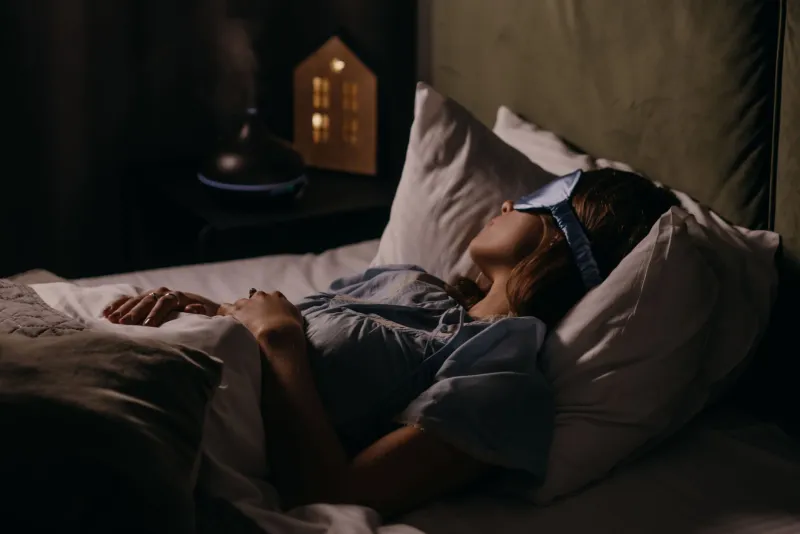
Obstructive sleep apnea occurs when the muscles at the back of the throat relax excessively during sleep, partially or fully blocking the airway. The result is repeated episodes of oxygen deprivation — sometimes dozens or even hundreds of times per night — each one triggering a brief awakening that the sleeper rarely remembers.
On the surface, this sounds like a fatigue problem. And it is. But the downstream consequences extend far beyond daytime drowsiness.
Every time the airway closes and oxygen levels drop, the body responds with a stress reaction. Cortisol and adrenaline surge. The cardiovascular system strains. And over time, this nightly cycle creates a state of chronic systemic inflammation and vascular dysfunction that is fundamentally incompatible with healthy erectile function.
An erection is, at its core, a vascular event. It requires healthy blood vessels, adequate blood flow, and a nervous system that can coordinate that flow on demand. Sleep apnea attacks all three of those requirements simultaneously.
The Testosterone Factor
Testosterone, the primary male sex hormone, is produced in significant quantities during deep sleep — specifically during the slow-wave and REM sleep stages. Sleep apnea is notorious for fragmenting these deeper stages, often replacing them with shallow, interrupted sleep that provides little restorative value.
The result is a gradual, often imperceptible decline in testosterone levels that can manifest as reduced libido, difficulty achieving or maintaining erections, fatigue, and mood disturbances. Many men who present with these symptoms are evaluated for low testosterone without anyone asking a simple question: How well are you sleeping?
Research published in peer-reviewed journals has consistently demonstrated that men with untreated sleep apnea have significantly lower testosterone levels than men with normal sleep architecture. More importantly, several studies have found that treating sleep apnea — not adding testosterone replacement — was sufficient to restore hormone levels in a meaningful number of patients.
Endothelial Damage: The Hidden Vascular Cost
The endothelium is the thin layer of cells lining every blood vessel in the body. It is responsible for producing nitric oxide, the molecule that signals smooth muscle in penile tissue to relax and allow blood to fill the erectile chambers. Without adequate nitric oxide production, even a healthy libido and intact nerve function cannot produce a reliable erection.
Chronic intermittent hypoxia — the technical term for the repeated oxygen drops caused by sleep apnea — is one of the most well-documented causes of endothelial dysfunction. Night after night of oxygen deprivation creates oxidative stress that damages the endothelial lining, reduces nitric oxide availability, and progressively impairs the vascular response that erections depend on.
This is precisely why some men find that ED medications deliver diminishing returns over time. Phosphodiesterase-5 inhibitors, the class of drugs most commonly prescribed for erectile dysfunction, work by amplifying the effects of nitric oxide — but if the endothelium is too damaged to produce adequate nitric oxide in the first place, there is relatively little to amplify.
Recognizing the Signs You Might Have Sleep Apnea
Many men with sleep apnea do not realize they have it because the defining event — the airway obstruction — happens while they are unconscious. However, there are reliable indicators that warrant a conversation with a physician:
- Loud, chronic snoring, particularly if it is punctuated by pauses or gasping sounds reported by a partner
- Waking with headaches, especially in the morning, which can signal overnight carbon dioxide buildup
- Persistent fatigue despite what appears to be an adequate number of hours in bed
- Waking frequently to urinate during the night, a symptom often misattributed to prostate issues
- Difficulty concentrating or memory problems during waking hours
- Elevated blood pressure that is difficult to control with medication
Not every man with sleep apnea is overweight or visibly out of shape, though excess weight is a significant risk factor. Anatomical features such as a narrow airway, a recessed jaw, or enlarged tonsils can predispose men of any body type to the condition.
Getting Evaluated: What to Expect
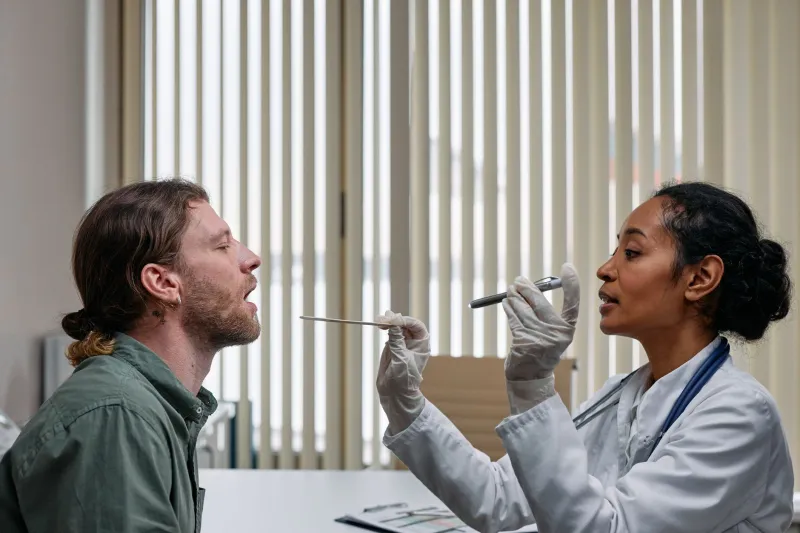
Sleep apnea diagnosis has become considerably more accessible in recent years. While traditional polysomnography — an overnight study conducted in a sleep lab — remains the gold standard, home sleep testing devices are now widely available and covered by most major insurance plans for patients who meet clinical criteria.
A home sleep test typically involves wearing a small monitor that tracks breathing patterns, oxygen saturation, and heart rate overnight. Results are reviewed by a sleep specialist, and if apnea is confirmed, treatment options are discussed.
The most effective and widely used treatment is continuous positive airway pressure therapy, commonly known as CPAP. A CPAP device delivers a steady stream of pressurized air through a mask worn during sleep, preventing the airway from collapsing. While the adjustment period varies, most men who adhere to treatment report dramatic improvements in sleep quality within the first few weeks.
For men who cannot tolerate CPAP, alternatives include oral appliances fitted by a dentist, positional therapy for mild cases, and in some situations, surgical intervention.
The Case for Root-Cause Thinking in ED Care
Erectile dysfunction is rarely a standalone condition. It is more accurately understood as a symptom — one that can arise from cardiovascular disease, metabolic dysfunction, hormonal imbalances, psychological factors, medication side effects, or, as this article has outlined, untreated sleep disorders.
Pursuing ED treatment without investigating these upstream contributors is not necessarily wrong. Medications can provide meaningful relief and significantly improve quality of life. But for men who find that treatment is incomplete, inconsistent, or losing effectiveness over time, a broader diagnostic conversation is warranted.
If you have not been screened for sleep apnea, raising the question with your physician — or with a healthcare provider who specializes in men's health — is a straightforward step that carries significant potential benefit. In some cases, addressing the sleep disorder may enhance the effectiveness of ED treatment substantially. In others, it may prove to be the primary intervention that changes the picture entirely.
The path to better sexual health does not always begin in the bedroom. Sometimes, it begins the moment you close your eyes.