Standing Together: What Partners Truly Want Men to Understand About Navigating ED as a Team
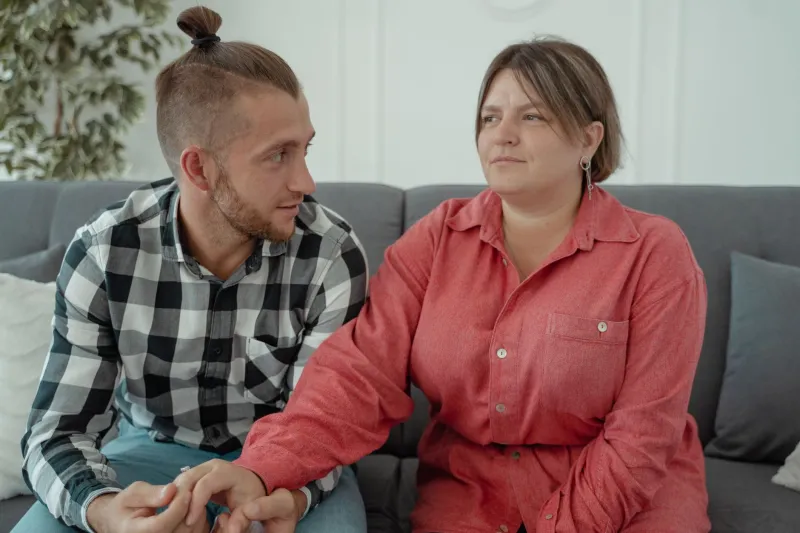
When a man begins treatment for erectile dysfunction, the clinical focus naturally falls on him — his diagnosis, his prescription, his progress. Yet in committed relationships, ED is rarely a solitary experience. Partners sit with the same uncertainty, absorb the same tension, and often carry questions they do not know how to ask without causing harm.
What do those partners actually wish the men in their lives understood? The answer, drawn from the experiences of spouses and long-term partners who have accompanied men through the ED treatment journey, is more nuanced — and more hopeful — than most men might expect.
The Silence Hurts More Than the Condition
Across a broad range of relationship experiences, one theme surfaces with striking consistency: partners are not primarily distressed by erectile dysfunction itself. They are distressed by the wall that tends to go up around it.
When a man withdraws emotionally — avoiding physical closeness, declining intimacy without explanation, or becoming visibly anxious in ways he refuses to discuss — his partner is left to fill the silence with interpretation. And in the absence of information, that interpretation is rarely generous. Many partners describe quietly concluding that they were no longer attractive to their significant other, that something had fundamentally changed in how he felt about the relationship, or that he simply no longer wanted them.
The revelation that ED was the source of the distance — not diminished desire, not relational dissatisfaction — frequently comes as a profound relief. But that relief arrives late, after months or years of unnecessary emotional injury.
For partners, the ask is straightforward: speak first, even if the words are imperfect. A brief, honest acknowledgment — "I've been dealing with something health-related that's affecting us physically, and I want you to know it has nothing to do with how I feel about you" — can prevent a significant amount of collateral damage to the relationship.
Realistic Expectations Are a Form of Respect
One of the more practical concerns partners raise involves the gap between what ED treatment promises and what it delivers in the early weeks. Many couples enter the treatment phase with an implicit understanding that a prescription will rapidly restore the sexual dynamic they experienced before ED became a factor. When early doses require adjustment, when timing requires more planning than anticipated, or when the first several attempts do not go as hoped, the disappointment can feel disproportionate.
Partners who have navigated this phase successfully tend to describe a shared recalibration of expectations as the turning point. Rather than measuring each encounter against an idealized outcome, they began approaching the early treatment period as a process of discovery — one that included some trial, some error, and a fair amount of laughter.
This recalibration is easier when both people are operating from the same information. Partners consistently express a desire to understand the basics of how ED medications work: that phosphodiesterase-5 inhibitors such as sildenafil or tadalafil enhance physiological response but do not function independently of arousal, that optimal dosing often requires several attempts to establish, and that factors such as alcohol consumption, anxiety, and meal timing can all influence efficacy.
When this knowledge is shared rather than siloed, partners become collaborators in the treatment process rather than passive observers of it.
The Emotional Weight Partners Carry — and Rarely Mention
Men in treatment for ED are, understandably, focused on their own experience. What is less visible is the emotional labor their partners are simultaneously managing.
Many partners describe a careful, ongoing calibration of their own behavior — moderating how often they initiate physical affection, choosing words during intimate moments with deliberate caution, suppressing their own desires to avoid creating pressure. This sustained attentiveness, while motivated by care, can over time produce its own form of exhaustion and resentment.
Partners are not asking men to be free of vulnerability. They are asking for acknowledgment that the dynamic is affecting both people, and for occasional reciprocity in the emotional labor of navigating it. A simple check-in — "How are you doing with all of this?" — directed at a partner rather than expected from one, can meaningfully shift the relational balance.
Several partners also describe the value of couples counseling or sex therapy during the treatment period, not as a signal that the relationship is in crisis, but as a structured space where both people can speak honestly without the conversation devolving into reassurance-seeking on one side and careful management on the other. Many report that they wished they had sought this support earlier.
What Strengthens the Relationship, According to Partners
The partners who describe the ED treatment journey most positively share a set of common experiences. They were told what was happening before they had to ask. They were included in conversations about treatment options rather than presented with decisions already made. They were given permission to have their own feelings about the situation without being made to feel that doing so was an additional burden on their partner.
They also describe a deepening of emotional intimacy that, in retrospect, they attribute directly to the necessity of honest communication. Navigating a vulnerable health challenge together — with transparency rather than concealment — created a quality of connection that many couples had not experienced even during periods when the physical dimension of their relationship was uncomplicated.
This is not a universal outcome, and it does not arrive automatically. It requires both people to resist the impulse toward protective silence and to choose, repeatedly, the more difficult path of honest engagement.
A Note on the Treatment Journey Itself
For men currently in treatment, or considering beginning, the partner perspective offers a useful reframe. The goal of ED treatment is not simply the restoration of a physiological function. It is the restoration of a shared experience — one that encompasses physical intimacy, emotional security, and mutual confidence in the relationship's resilience.
That broader goal is more achievable when both people are invested in it. Partners, overwhelmingly, want to be invested. They want to understand the treatment, support the process, and be present for the moments when it works and the moments when it doesn't.
What they need, in order to do that, is an invitation.
The most effective ED treatment is not merely pharmaceutical. It is relational. And it begins with a conversation.