Two Conditions, One Overlooked Link: Why Sleep Apnea and Erectile Dysfunction Keep Getting Missed Together
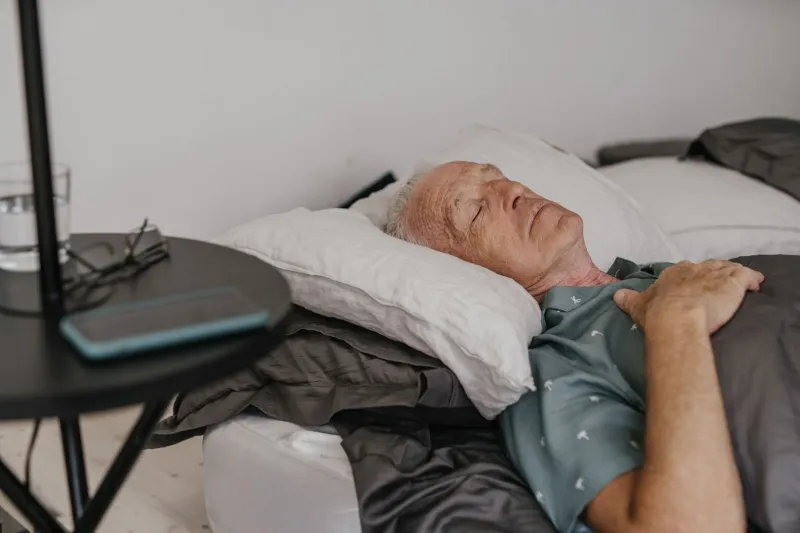
Every year, millions of American men visit their physicians about erectile dysfunction, receive a prescription, and walk away with only half the picture. A comparable number undergo sleep studies, receive a CPAP machine, and return home still wondering why their sexual health has not improved. What these men share — and what their respective specialists frequently fail to connect — is a physiological relationship between disordered sleep and erectile dysfunction that runs far deeper than either condition suggests on its own.
This is not a minor clinical footnote. It is a systemic gap in how men's health is evaluated, diagnosed, and treated in the United States. And for the men caught in it, the consequences extend well beyond the bedroom.
The Physiology Behind the Partnership
To understand why these two conditions so frequently coexist, it helps to examine what happens inside the body during an apneic episode. When a person with obstructive sleep apnea stops breathing — sometimes hundreds of times per night — oxygen saturation in the blood drops sharply. The body responds by flooding the system with stress hormones, primarily cortisol and adrenaline, to stimulate arousal and restore breathing.
This repeated hormonal disruption carries consequences that extend well into waking hours. Chronic oxygen deprivation suppresses the production of testosterone, the hormone most directly associated with sexual drive and erectile function. Simultaneously, the vascular system bears significant strain: repeated hypoxic episodes damage endothelial cells, the thin lining of blood vessels responsible for producing nitric oxide — the very compound that enables erections by relaxing penile smooth muscle and facilitating blood flow.
In short, untreated sleep apnea attacks erectile function from multiple angles simultaneously: hormonal, vascular, and neurological. The result is a man who wakes up exhausted, hormonally depleted, and increasingly unable to achieve or sustain an erection — yet who may not immediately connect his nightly breathing interruptions to his daytime sexual difficulties.
The Bidirectional Trap
What makes this relationship particularly insidious is that it does not flow in only one direction. While sleep apnea contributes to ED, the psychological burden of erectile dysfunction can itself worsen sleep quality. Performance anxiety, relationship tension, and diminished self-worth — all well-documented consequences of untreated ED — are known contributors to insomnia and fragmented sleep architecture. Poor sleep, in turn, amplifies the very hormonal and vascular disruptions that sustain erectile difficulties.
For men caught in this cycle, each condition quietly reinforces the other. They may feel progressively worse over months or years without ever identifying a single cause, because there is no single cause — there is a loop.
Why Doctors Keep Missing It
The American healthcare system, for all its sophistication, is largely organized around specialization. A man reporting erectile dysfunction is typically referred to a urologist or a primary care physician comfortable with men's sexual health. A man reporting chronic fatigue, loud snoring, or unrefreshing sleep is referred to a sleep specialist or a pulmonologist. These two clinical worlds operate largely independently, with separate intake processes, separate treatment protocols, and, critically, separate follow-up structures.
A urologist evaluating ED will commonly assess testosterone levels, cardiovascular risk factors, and medication history. Sleep quality, however, is rarely part of a standardized ED intake questionnaire — despite the substantial body of research linking the two. Similarly, sleep specialists diagnosing apnea may note a patient's fatigue and cognitive impairment but are unlikely to inquire about sexual function as part of their standard assessment.
The result is a diagnostic environment in which a man can be actively treated for both conditions by two different specialists who have never spoken to each other — and who have each addressed only the symptoms within their respective domain. The shared root cause, or the compounding interaction between the two diagnoses, goes unexamined.
The Numbers That Should Prompt Urgency
Research published in peer-reviewed medical literature consistently identifies elevated rates of erectile dysfunction among men diagnosed with obstructive sleep apnea. Studies have found that anywhere from 40 to 80 percent of men with moderate to severe sleep apnea report some degree of erectile dysfunction — a prevalence substantially higher than that observed in the general male population. Yet routine screening for sleep disorders remains absent from most ED treatment pathways, and vice versa.
The implications are significant. A man prescribed a phosphodiesterase-5 inhibitor — the class of medication that includes widely used ED treatments — may experience limited or inconsistent results if his underlying sleep apnea is actively undermining his vascular and hormonal baseline. The medication addresses the mechanism of erection but cannot compensate for chronically impaired nitric oxide production or testosterone suppression caused by nightly oxygen deprivation.
What Effective Evaluation Actually Looks Like
For men who suspect either condition — or who have been diagnosed with one and continue to struggle — the most productive step is requesting a comprehensive evaluation that explicitly addresses both. This means asking a primary care physician to coordinate care between relevant specialists rather than deferring entirely to each specialist's siloed assessment.
Specific questions worth raising include whether testosterone levels have been assessed in the context of sleep quality, whether a home sleep test or polysomnography has been considered alongside an ED evaluation, and whether current treatment for one condition accounts for the presence or likelihood of the other.
Men who have been using CPAP therapy for sleep apnea and still experience ED should understand that improvement in erectile function following CPAP initiation — while documented in research — is not immediate. Some studies indicate that consistent CPAP use over several months leads to measurable improvements in erectile function, but the timeline varies and may require concurrent pharmacological support during the recovery period.
The Case for Integrated Men's Health
The broader lesson embedded in the sleep apnea–ED relationship is one that applies across men's health more generally: conditions rarely exist in isolation. The body is an integrated system, and treating its components as separate problems to be routed to separate specialists invites exactly the kind of diagnostic gap that leaves men managing symptoms rather than addressing causes.
Physicians and patients alike benefit from a more holistic intake approach — one that treats sexual health as a window into cardiovascular and metabolic function, and that treats sleep quality as a foundational variable rather than an afterthought. Until that integration becomes standard practice, the burden falls on informed men to ask the questions their healthcare providers may not think to raise.
For men navigating this landscape, the most important thing to understand is this: if you are being treated for ED without anyone having asked about your sleep, or if you are using a CPAP without anyone having asked about your sexual health, a critical part of your clinical picture remains unexamined. That gap is worth closing — and closing it may be the most effective step you have not yet taken.